

How to Choose the Right Geotextile for Landscaping (Drainage, Weed Control, and Soil Stabilization)
Dealing with weeds, poor drainage, or unstable soil in your landscaping project? These common issues can lead to ongoing maintenance and costly repairs. Choosing the right geotextile fabric provides a simple, effective solution for controlling growth, improving drainage, and stabilizing the ground. Geotextile fabrics can solve an extensive range of outdoor landscaping predicaments, from stopping water and weeds from ruining your pavers and stonework to creating a better surface for your garden soil before planting.
| Application | Recommended Geotextile |
|---|---|
| Weed control | Woven geotextile |
| Drainage | Non-woven geotextile |
| Driveways/Base layers | Woven geotextile |
Best Geotextile by Application
Weed Control
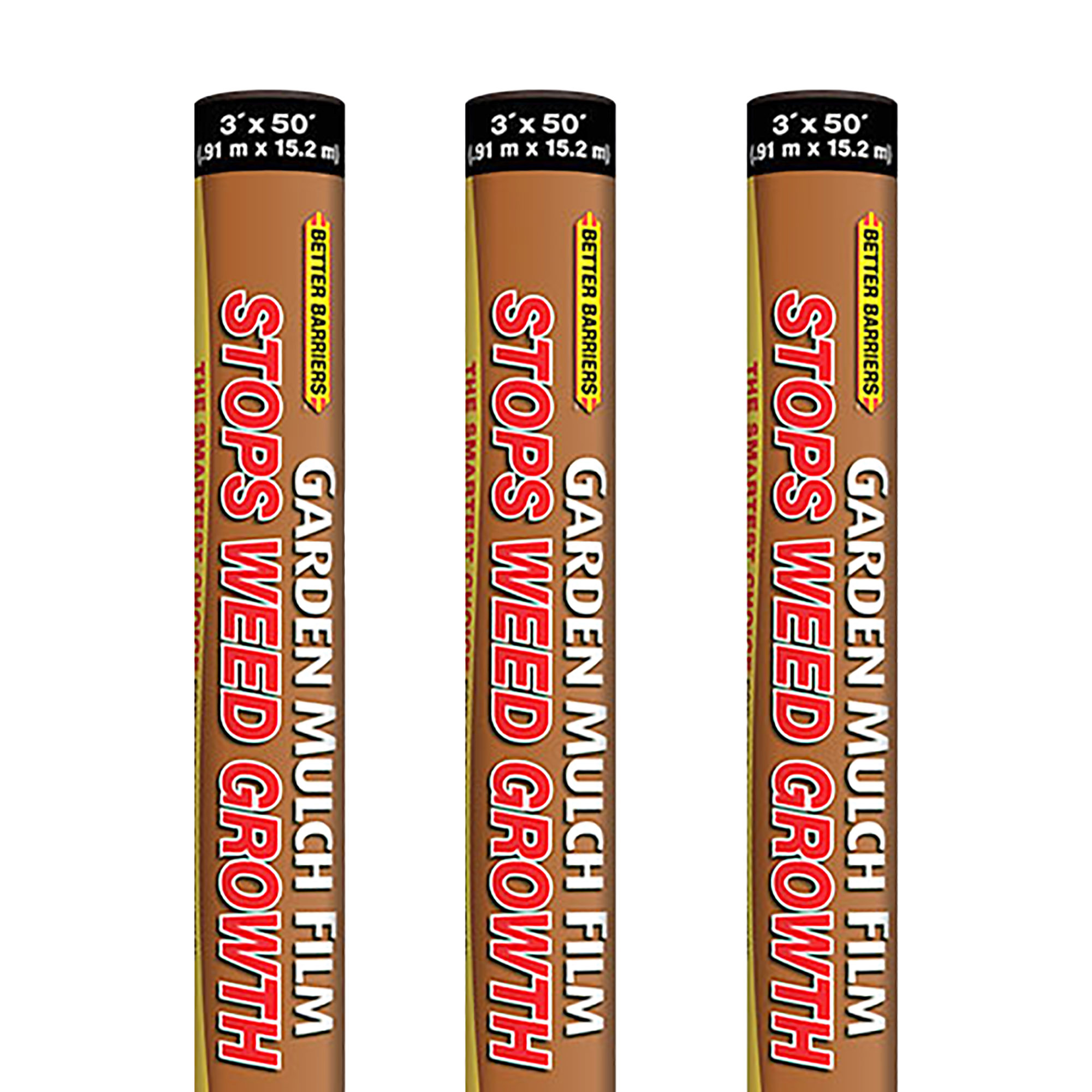
For weed control, use a woven geotextile or landscape fabric. This material blocks weed growth while still allowing water to pass through to the soil below. It is ideal for landscaping beds and ground cover. If you are tending a vegetable garden or building annual flower beds, a microperforated garden mulch film can serve as a temporary, biodegradable alternative that lets water, air, and nutrients reach the soil while suppressing weeds. For long-term coverage in perennial beds or rock gardens, a heavy-duty woven landscape fabric is the better choice. Some commercial-grade options carry warranties of up to 20 years, while shorter warranties often back heavy-duty residential grades but still offer robust weed suppression.
Drainage
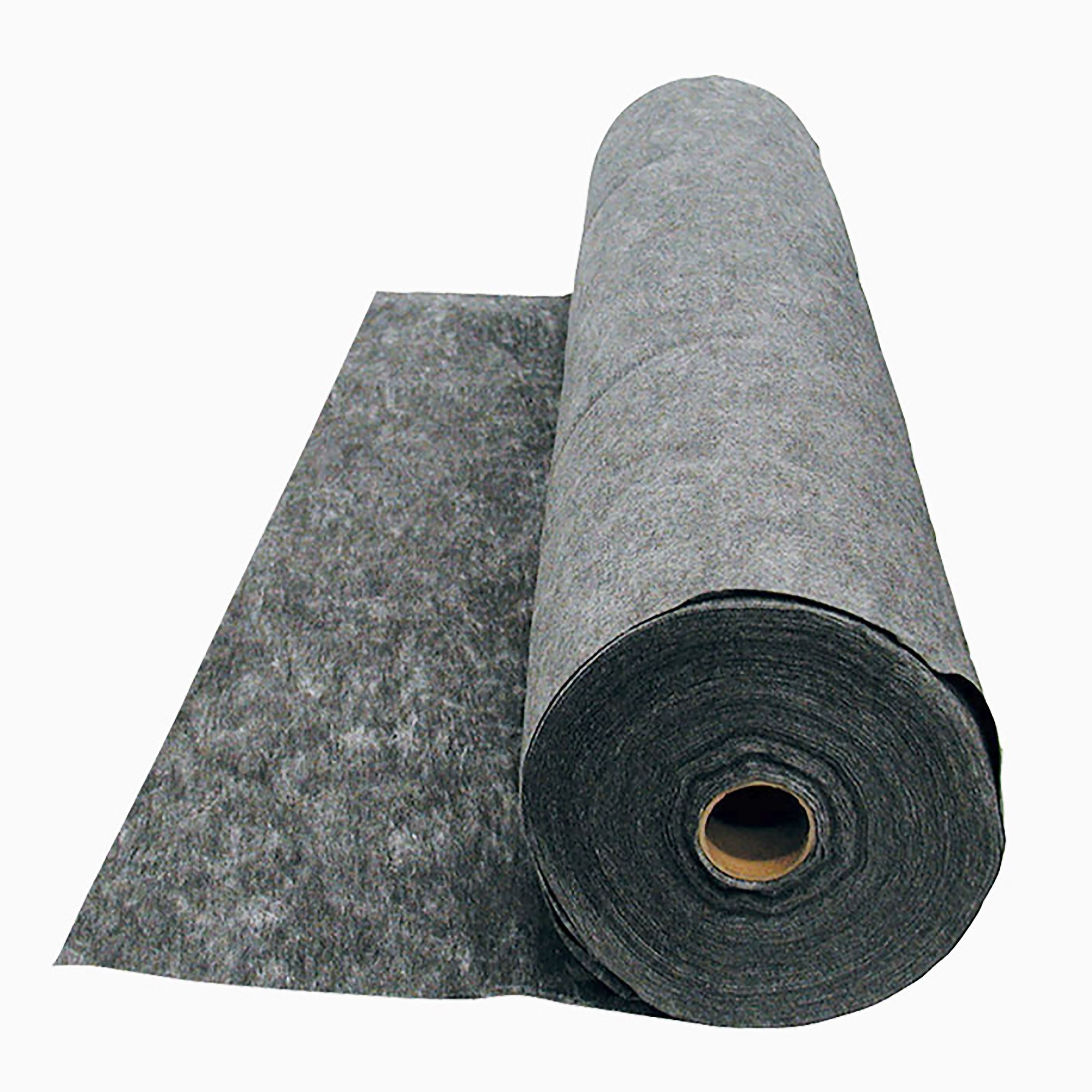
For drainage applications, use a non-woven geotextile. Its design allows water to pass through while filtering out soil particles, making it the best choice for French drains, trench drains, and use behind retaining walls. When water management is the priority rather than load-bearing, non-woven fabric provides the filtration necessary to keep underground channels from clogging while maintaining steady water flow.
Soil Stabilization
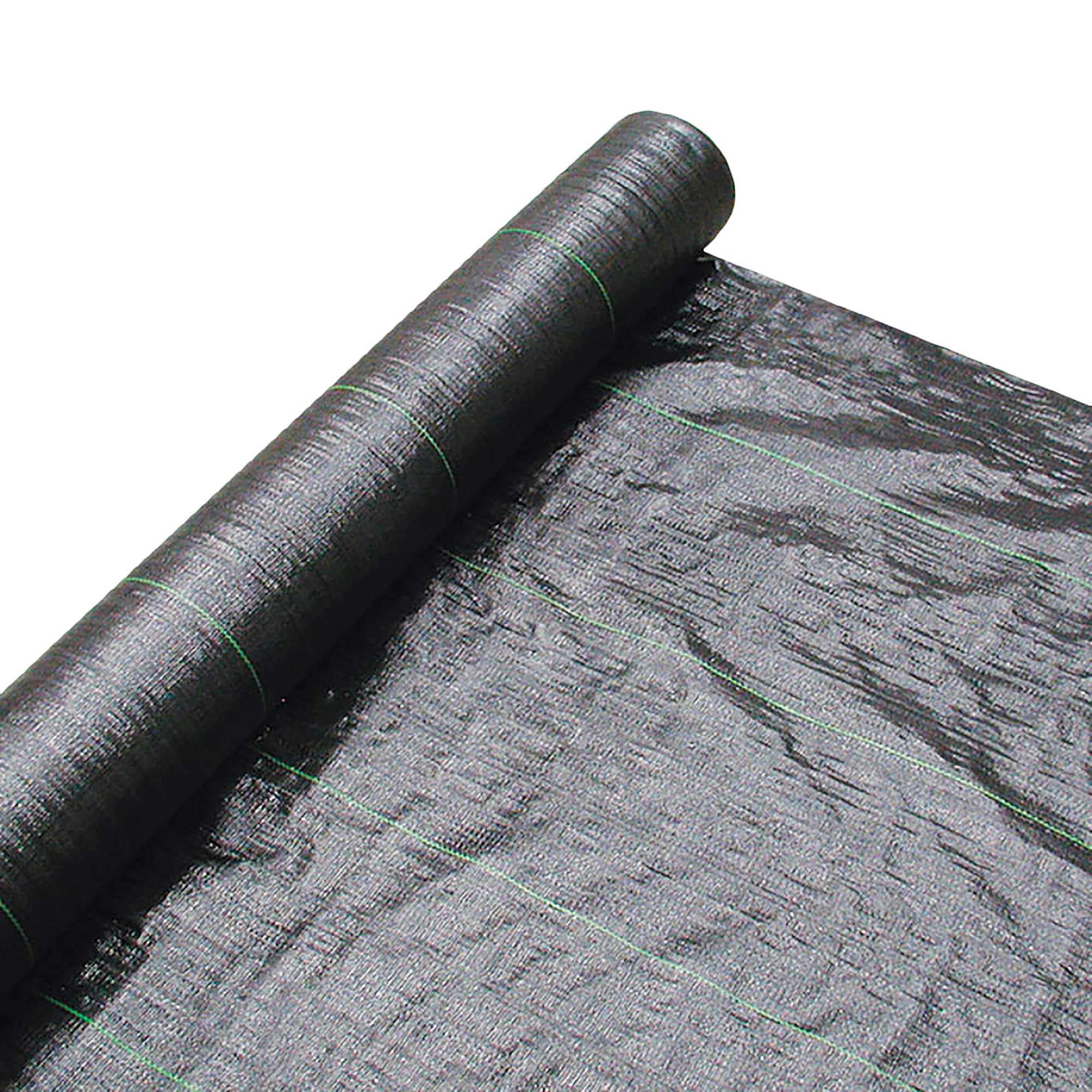
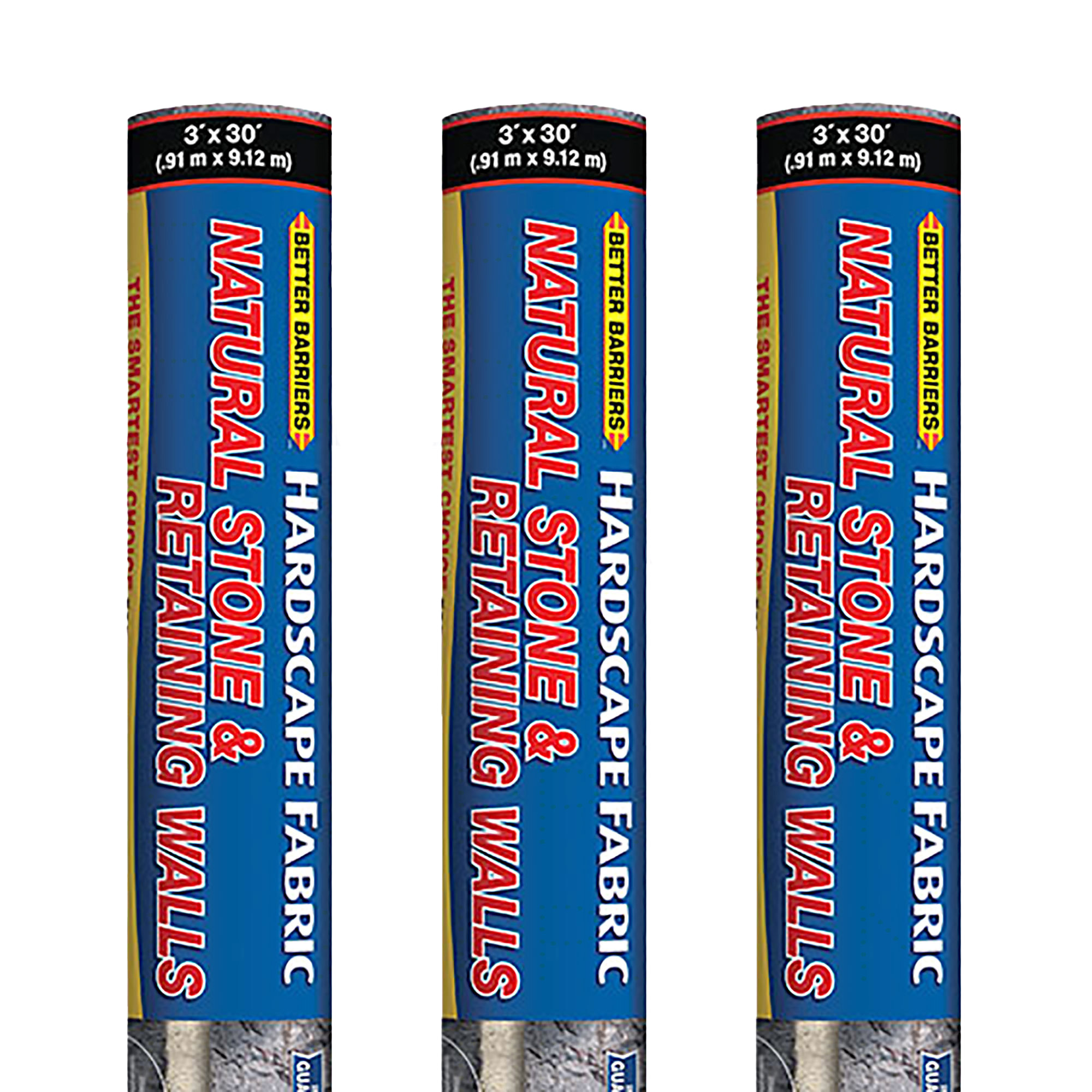
For soil stabilization, use a woven geotextile. Its tight weave provides strength and separation, making it ideal for driveways, gravel paths, patios, and base layers. Hardscaping projects especially benefit from woven fabrics built for permanent use. For example, woven hardscape fabrics are commonly placed under pavers, interlocking bricks, and retaining walls to stabilize the soil and prevent shifting over time. The most robust options are UV-resistant and intended to last the lifetime of the project, effectively controlling weeds and preventing damage underneath the surface.
Erosion Control
For erosion control, woven or non-woven geotextiles can be used depending on the water flow and slope conditions. These fabrics help hold soil in place and prevent washout on slopes and other exposed areas. Woven landscape and hardscape fabrics are frequently selected for erosion control under rock gardens and retaining walls because they provide a durable separation layer that withstands soil movement and water pressure.
Woven vs Non-Woven Geotextiles
| Feature | Woven Geotextile | Non-Woven Geotextile |
|---|---|---|
| Best for | Strength, separation, load support | Drainage, filtration, water flow |
| Common uses | Driveways, pavers, weed barriers, base layers | French drains, behind walls, drainage trenches |
| Key benefit | Long-term durability and stability | High water permeability and soil filtration |
The simple rule: Use woven for stability and load-bearing projects; use non-woven for drainage and filtration needs.
Choose the Right Solution for Your Project
Selecting the right geotextile depends on your specific needs—whether it is preventing weed growth around perennial plantings, improving drainage in a wet yard, or stabilizing the soil under a new driveway. All of these fabrics are created with durability in mind. They are designed to function as long as their given warranty, so using the correct material upfront saves time, reduces maintenance, and improves long-term performance.
If you have any further questions, please reach out to our representatives. They are happy to help in any way they can!
Contact Us