

Burlap Concrete Curing Blankets
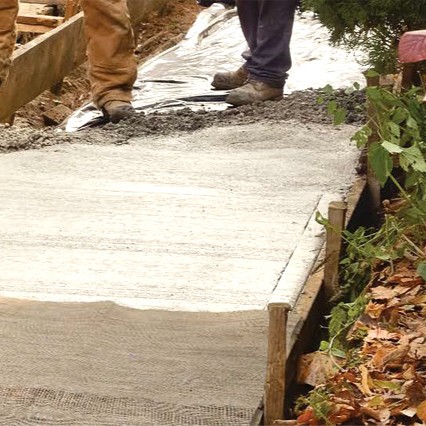
Since construction is a tough job, you need all the best materials when starting a new project. A critical piece of any construction project is a concrete curing blanket. Burlap concrete curing blankets provide an easy, proven way to hold in moisture, reduce cracking, and improve overall durability. These blankets are made for heavy-duty use and will not falter when helping create a better surface for concrete. Use these blankets for any new project requiring concrete pouring on a flat surface.
Is It Necessary To Use A Concrete Curing Burlap Blanket?
While you are not required to use one for a large concrete project, these blankets will help cure new concrete. This blanket keeps your concrete from drying out and maintains a humid layer on top of it. If your concrete dries too quickly, it can develop cracks and shrinkage due to rapid moisture loss. This should be avoided if you don't want to repeat the concrete pouring process. Plus, once the concrete is set in its cracked state, it is much harder to remove. However, you can avoid these future problems by being proactive and using a curing blanket on top of concrete
The Damage Could Occur Due to the Following:
- Conditions On The Jobsite
- Problems With Proper Mixing
- Water-To-Cement Ratio
- Temperature Of The Concrete
Key Benefits of Wet Curing with Burlap Blankets
Wet curing with burlap blankets is one of the most effective methods for ensuring strong, durable concrete. By maintaining consistent moisture levels and protecting against environmental stressors, these blankets help you achieve professional-quality results on every project.
Key Benefits Include:
- Moisture Retention for Stronger Concrete: Holds water evenly across the surface for consistent curing and prevents rapid drying that weakens concrete.
- Improved Surface Quality: Produces a smoother, harder finish and reduces shrinkage cracking and surface defects.
- Protection from Environmental Conditions: Shields concrete from the sun, wind, and heat, while the reflective poly layer reduces temperature extremes.
- Reusable and Cost-Effective: Made with durable materials for multiple uses, making them ideal for large-scale construction projects.
How Do I Use A Curing Blanket?
To use a curing blanket, place your concrete and then set the burlap blanket over it. It is straightforward to use, and best of all, burlap blankets are made from eco-friendly material that will compost over time. Unlike some polyethylene-based curing blankets, it is easy to use. If you are not using it for concrete curing, it can be used in a vegetable garden or any other outdoor project that needs a protective layer. Once you have accomplished these steps, you have successfully cured concrete with your burlap curing blanket.
To use Burlap for Concrete Curing:
- Cut the burlap to the correct size for your entire concrete surface and ensure some overlap on the edges.
- When the concrete is dry enough to sustain the weight of the burlap, carefully place the burlap on the surface, covering the concrete and any edges.
- Occasionally spray the burlap with water to keep it wet. This will help prevent the burlap from drying out and remove moisture from the cement.
- Every few minutes, check that the concrete is curing well. Once the concrete has cured properly, remove the burlap and throw it away.
Are There Other Uses For A Concrete Curing Blanket?
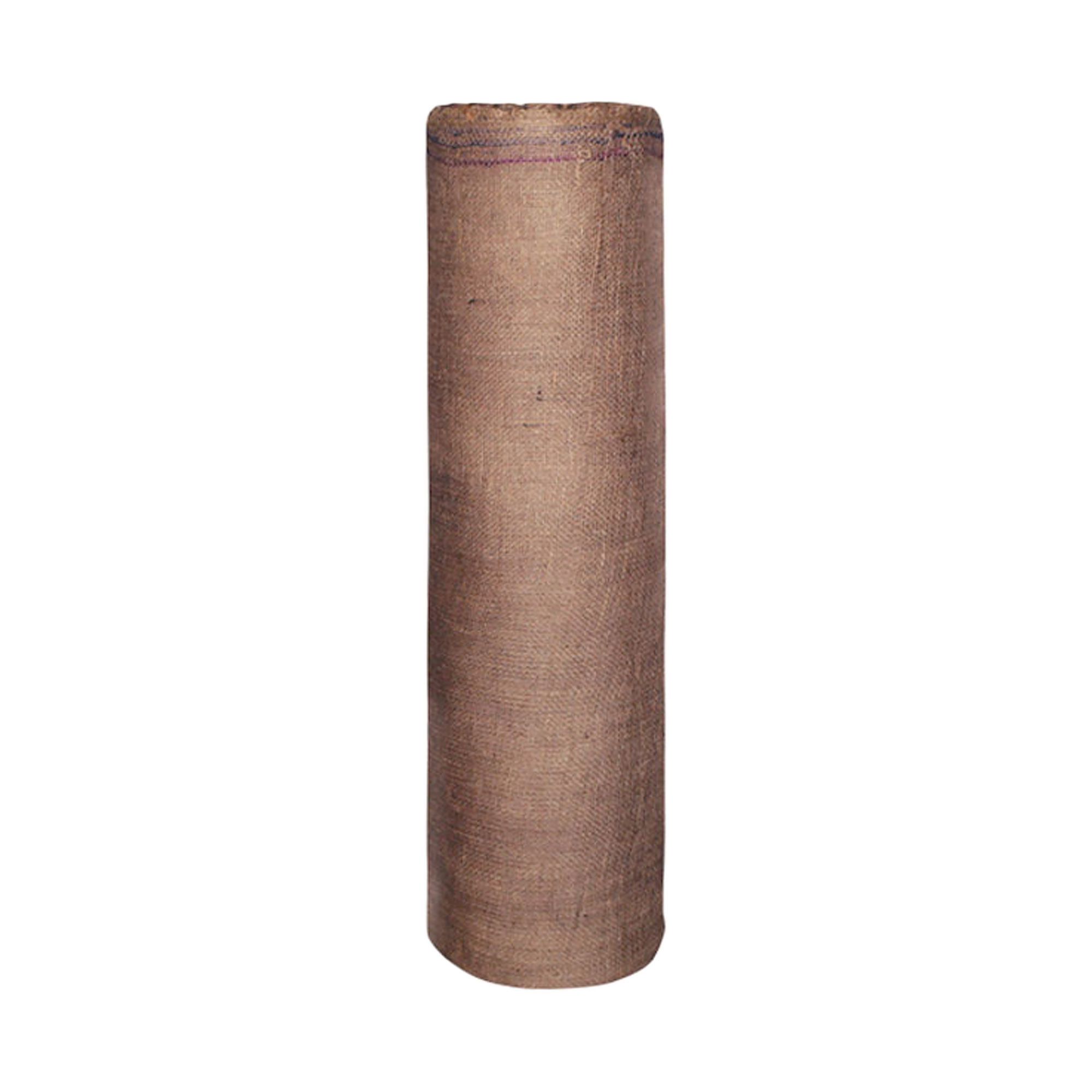
Burlap concrete curing blankets are versatile tools used across a wide range of construction projects. They are commonly employed in highway and road construction to ensure durable, long-lasting surfaces that can withstand heavy traffic and environmental exposure. These blankets are also ideal for concrete slabs and foundations, where proper curing is essential for structural integrity. Commercial construction projects also benefit significantly from using burlap curing blankets, helping contractors meet quality standards while keeping projects on schedule. Beyond construction, burlap blankets serve multiple purposes, including erosion control, privacy screening, and even agricultural applications like protecting crops during fruiting and harvesting seasons.